3K+ happy customers
Unlimited contact with doctors
100% online
Fast and discreet delivery
Dutch pharmacies


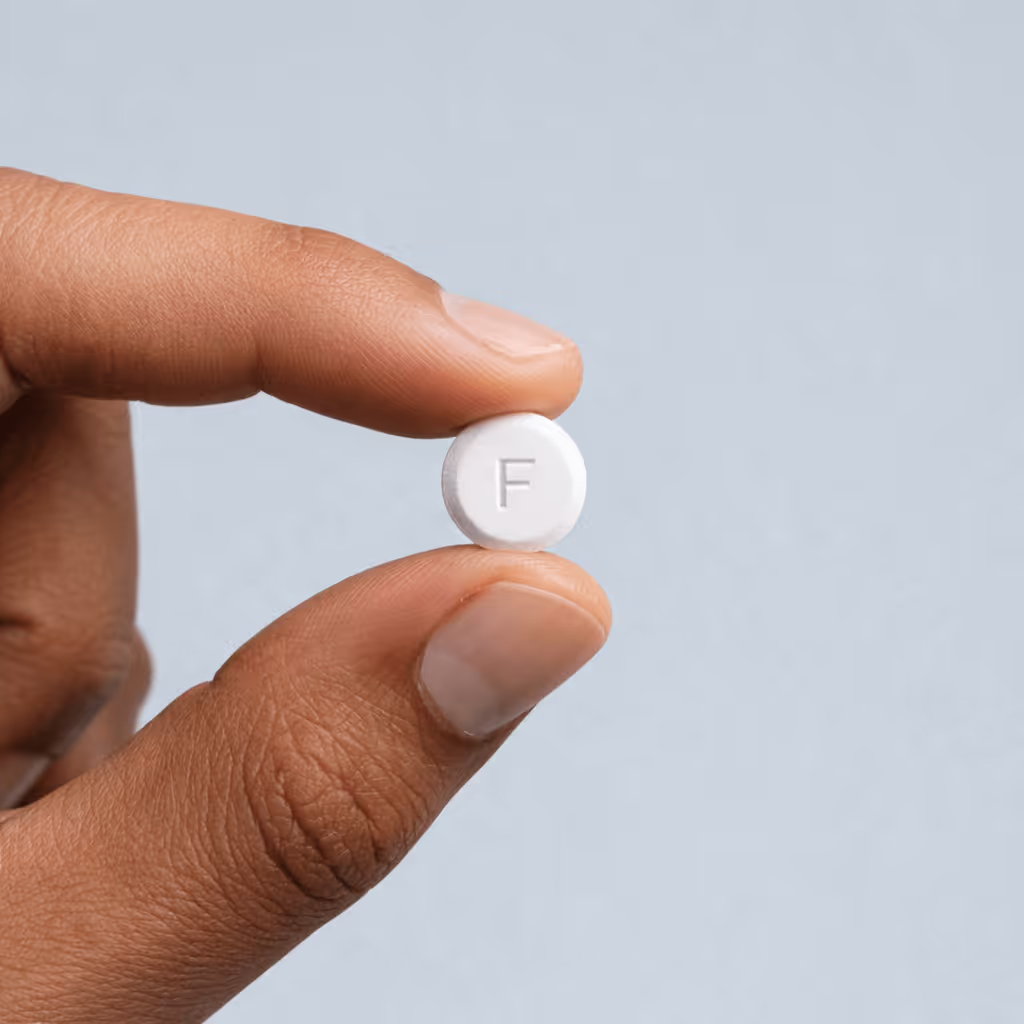
Finasteride
Retracting hairline? Thinning hair? A daily treatment, clinically proven effective against hair loss and hair growth.
What is finasteride?
Finasteride is the active substance in propecia, but without a brand name. Finasteride blocks DHT production by approximately 70%. Research has shown that finasteride prevented further hair loss in 83% of men who used it for 2 years, and 66% of men regained hair growth.
How does finasteride work?
Finasteride treats hair loss in men by lowering DHT (dihydrotestosterone) in the scalp. And that's nice, because DHT is a hormone that reduces hair follicles, causing many men to suffer from hair loss.
What are the most common side effects of finasteride?
The most common side effects of finasteride are (0.1-1%):
- Decreased libido (less sex drive)
- Trouble getting or keeping an erection
- Decrease in the amount of seminal fluid (semen)
- Mood swings or depressed mood
How does finasteride work
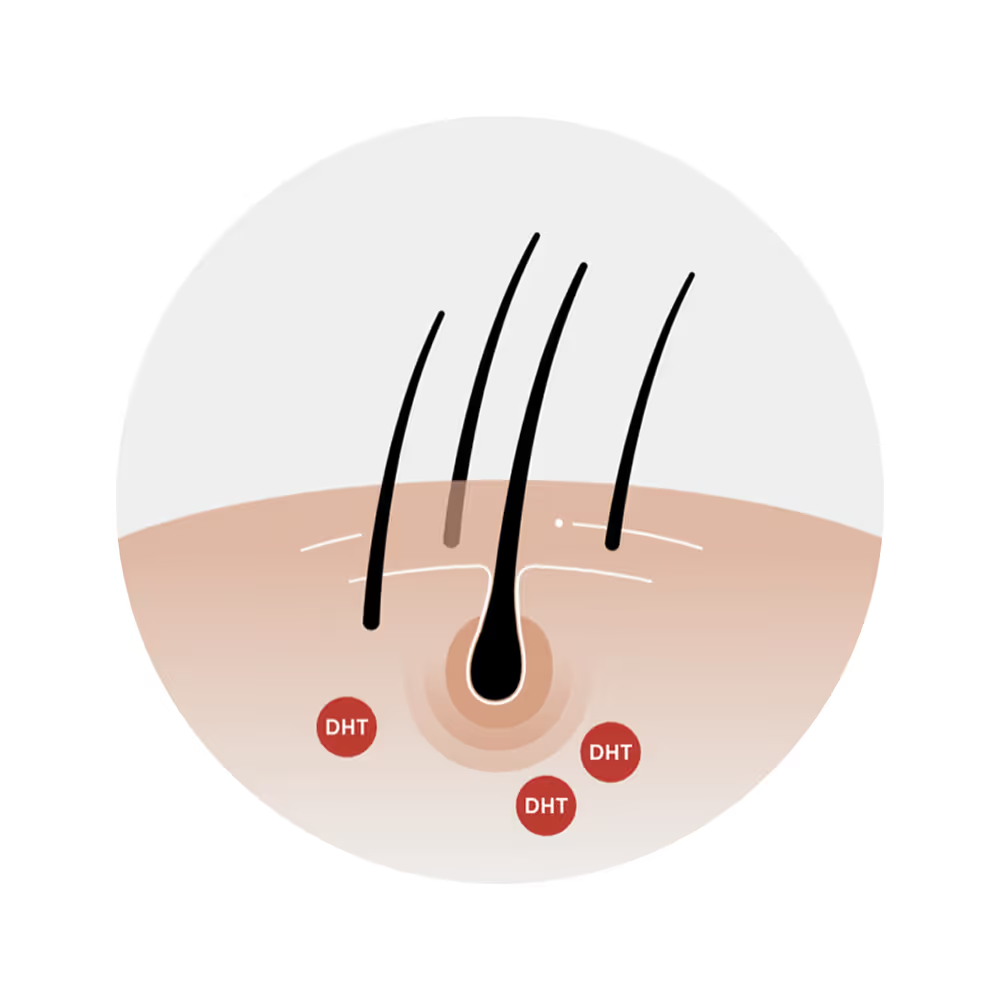
Stop hair loss - Finasteride inhibits the enzyme that converts testosterone into DHT: the hormone that shrinks hair follicles and causes hair loss.
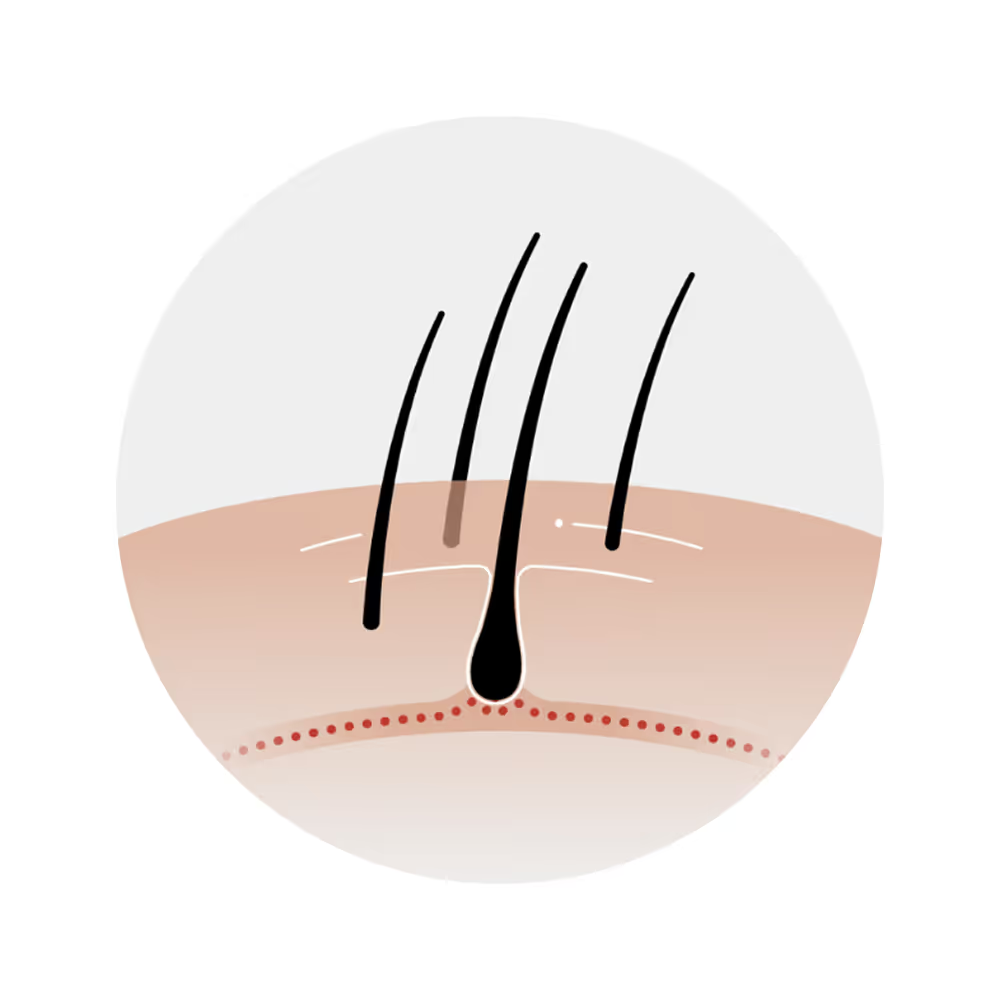
Promotes hair growth - Finasteride stimulates hair growth within 3—6 months.
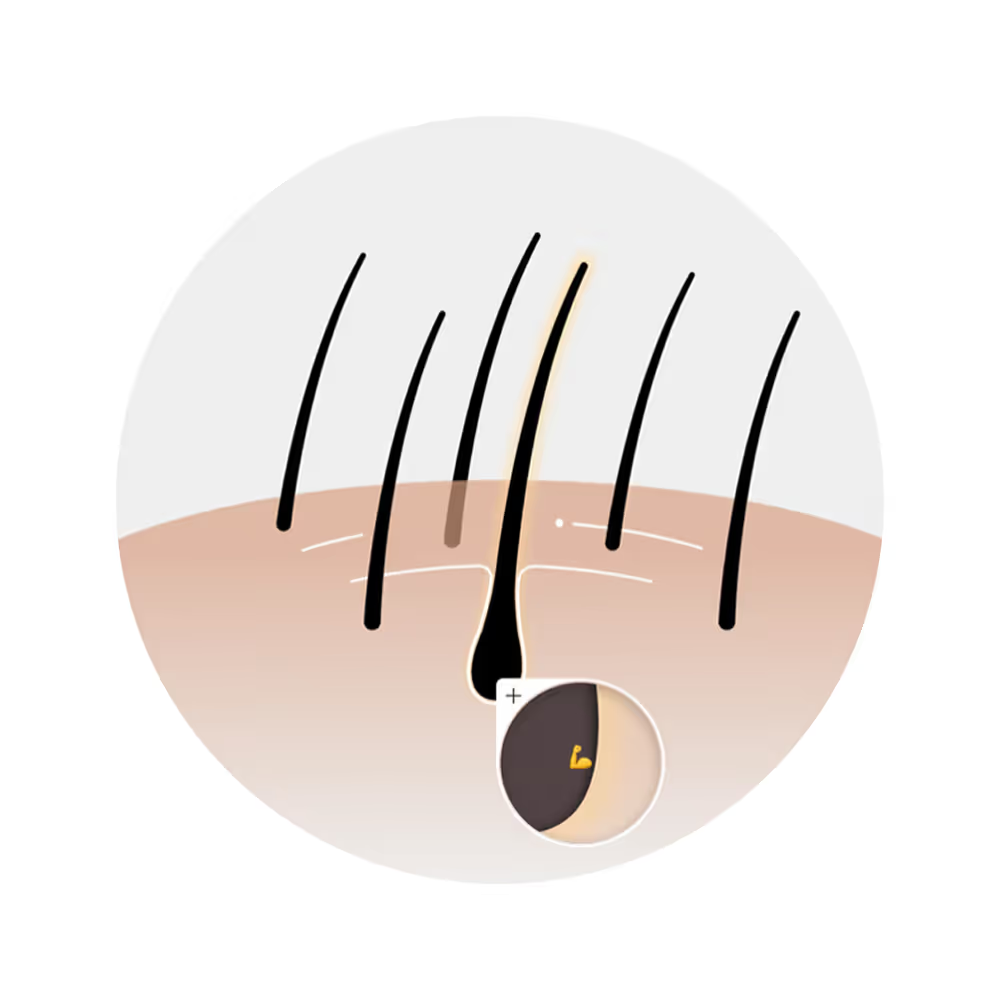
More effective together - Finasteride provides even better results in combination with minoxidil, which helps to boost hair growth.
treatment timeline
Save it
Within 1 -2 monthsYou usually don't see any visible results in the first few months. It may even happen that you temporarily lose some extra hair. But don't worry! This is just a sign that the treatment is doing its job.
Slow it
Within 3 - 6 monthsDuring this period, you may notice that your hair loss slows down or even stops. You may even be seeing small signs of new hair growth. Wondering if this applies to you? It can help to take a photo every month so you can keep track of your progress. You often see improvements more clearly in photos than in the mirror.
Show it off
After 6 monthsAt this point, hair loss is usually greatly delayed or even stopped altogether. You often also see the first signs of regrowth becoming visible now, for example on the crown. After approximately 12 months, most of the result has been achieved, although further improvement can occur up to 24 months.
.avif)
Real people, real results
%20(1).avif)
%20(1).avif)
%20(1).avif)
%20(1).avif)
.avif)
.avif)
%20(1).avif)
%20(1).avif)
FAQs
How long does it take for finasteride to work?
Finasteride requires patience, because you won't see results right away. After 3 to 6 months, most people notice that their hair loss decreases. If you continue to use the treatment consistently, you will see the best results after about a year.
Can finasteride make your hair grow back?
Yes, you can. Finasteride is primarily intended to stop hair loss, but it also causes visible hair growth for some users, especially on the crown.
How do you use finasteride (dosage)?
The standard dose for male hereditary hair loss is 1 mg per day. By taking it consistently every day, you give the treatment the chance to work optimally. If you stop taking it, the results achieved will disappear again after a few months.
Can I buy finasteride without a prescription in the Netherlands?
No. In the Netherlands, you can only get finasteride with a doctor's prescription. It is a registered medication for treating male hereditary hair loss, but should only be prescribed after a medical assessment by a physician. This way, you can be sure that the medicine suits your situation.
Note: you may encounter online providers that offer finasteride “without a prescription”. We strongly advise against that. The origin and quality of these products are often uncertain, and there is a risk of incorrect dosing or insufficient safety control.What is the difference between finasteride and oral minoxidil?
Finasteride and oral minoxidil work differently:
- Finasteride lowers the hormone DHT (the main cause of hereditary hair loss in men);
- Oral minoxidil supports the hair growth cycle and can make hair thicker and stronger.
Some people choose one of the two treatments, others combine them. What suits you best depends on your situation and preference.Hereditary baldness in men: what about it?
In men, baldness is caused by hereditary predisposition in 95% of cases. This form of hair loss is genetic: if baldness occurs in your father, grandfather or other male family members, you are more likely to experience it too. The hormone DHT plays a key role here. It causes hair follicles to shrink gradually, until hair growth finally stops.
Hereditary male baldness follows a recognisable pattern, usually beginning with coves and a thinning crown. Other, less common causes of hair loss, such as illness, trauma, or long-term stress, usually show a different pattern. This difference makes it possible to properly assess whether your hair loss is consistent with hereditary baldness via a short questionnaire.
A selection of our google reviews